
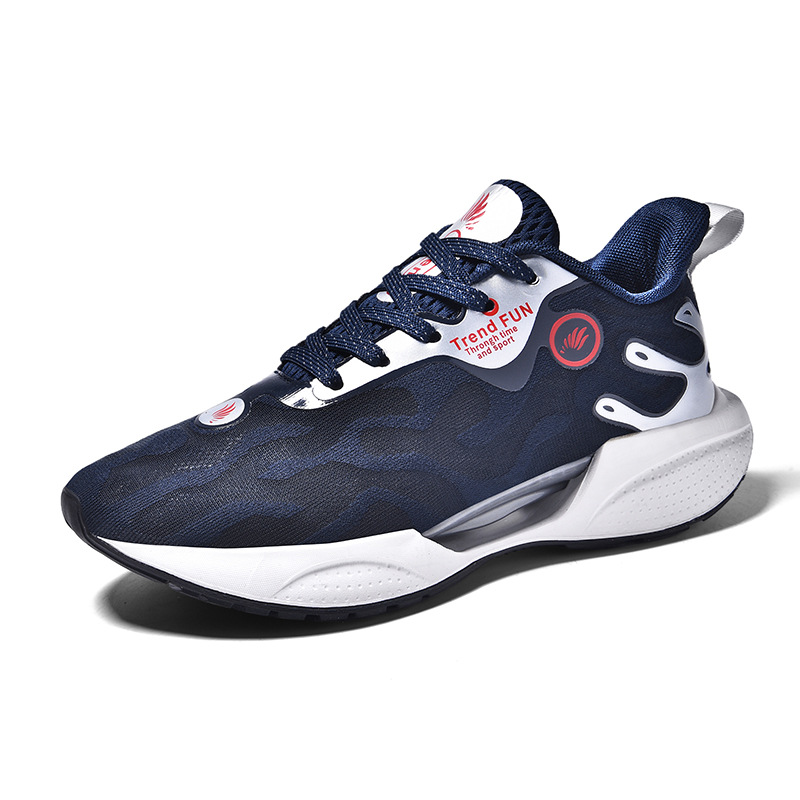
In the ever-evolving world of footwear manufacturing, innovation and material advancements are key drivers shaping industry trends. One such material that is gaining significant traction is PVC leather, an artificial leather variant known for its durability, versatility, and eco-friendly qualities. This material is transforming the way manufacturers produce sneakers, sandals, and casual footwear, promising enhanced product performance and customer satisfaction.
With over 30 years of experience in the footwear industry, a company specializing in the manufacture and sale of footwear products has embraced PVC leather technology to elevate its product offerings. The company’s expertise in crafting sneakers, sandals, and everyday footwear allows it to incorporate high-quality materials that meet modern consumer demands for both style and functionality.
### What is PVC Leather?
PVC leather, sometimes known as synthetic leather, is made by coating a fabric base—typically polyester or cotton—with polyvinyl chloride (PVC). This process results in a material that closely resembles genuine leather in appearance and texture but offers several distinct advantages. PVC leather is water-resistant, easy to clean, and highly durable, making it ideal for footwear that endures daily wear and various weather conditions.
Moreover, PVC leather production requires fewer natural resources compared to traditional leather, which depends heavily on livestock farming processes. This aspect enhances the environmental appeal of PVC leather products, attracting eco-conscious consumers who seek sustainable alternatives in their fashion choices.
### The Company’s Journey with PVC Leather
Leveraging three decades of industry expertise, the company has strategically integrated PVC leather into its footwear lines to better serve a diverse customer base. The company’s rich history in sneaker, sandal, and casual shoe production provides a strong foundation for innovation, allowing it to adapt swiftly to market trends and technological advancements.
By adopting PVC leather, the company has improved both the aesthetic appeal and functional attributes of its shoes. For instance, sneakers crafted with PVC leather exhibit flexibility and comfort without compromising on resilience, essential qualities cherished by active users and casual wearers alike. Sandals benefit from the material’s water-resistant properties, making them more suitable for outdoor and summer wear, while casual footwear crafted from PVC leather offers stylish yet practical options for daily use.
### Enhancing Durability and Style
One of the most significant benefits of PVC leather in footwear manufacturing is its impressive durability. Unlike natural leather, which can be prone to scratches, stains, and degradation over time, PVC leather maintains its integrity even under harsh conditions. This advantage means that footwear made from PVC leather can withstand sweat, rain, and rough surfaces without losing structural strength or visual appeal.
The company’s design team has also taken full advantage of the material’s versatility. PVC leather can be produced in a wide range of colors, textures, and finishes, enabling the creation of stylish footwear that resonates with modern fashion trends. Consumers today are no longer bound to traditional leather tones but can choose from vibrant, eye-catching colors and innovative patterns that complement their personal style.
### A Commitment to Sustainability
Amid growing environmental concerns, the company recognizes the importance of sustainability in its production methods and material sourcing. The use of PVC leather aligns with this vision by reducing reliance on animal-based products and lowering the carbon footprint associated with footwear manufacturing.
Additionally, the company continuously explores ways to enhance the recyclability of PVC leather footwear and minimize waste throughout the production cycle. This commitment positions the company as a forward-thinking leader in sustainable footwear solutions, appealing to a conscientious market segment.
### Meeting Consumer Expectations
Consumer preferences have evolved significantly over recent years, with higher expectations placed on comfort, durability, and environmental impact. The company’s integration of PVC leather reflects its responsiveness to these demands.
By offering sneakers, sandals, and casual footwear built with innovative, high-performance materials, the company ensures its products meet the needs of a broad audience—from athletes and outdoor enthusiasts to everyday users seeking practical yet fashionable designs.
The enhanced comfort provided by PVC leather shoes, combined with their long-lasting wear, adds considerable value, fostering customer loyalty and positive brand recognition.
### Looking Ahead: The Future of Footwear with PVC Leather
The growing popularity of PVC leather in the footwear sector indicates a promising future for this material. As technology advances, manufacturers continue to improve PVC leather’s properties, such as breathability and softness, narrowing the gap between synthetic and natural leather products.
The company remains dedicated to staying at the forefront of these innovations, investing in research and development to refine its footwear lines further. With a solid foundation built over 30 years and a clear focus on quality and sustainability, the company is well-positioned to lead the charge in the next generation of footwear manufacturing.
### Conclusion
The integration of PVC leather into sneaker, sandal, and casual footwear production marks a milestone in the evolution of footwear materials. Through its extensive experience and commitment to innovation, the company has embraced this versatile and sustainable material to deliver products that satisfy modern consumer demands for durability, style, and environmental responsibility.
As PVC leather technology continues to develop, consumers can expect even more comfortable, durable, and eco-friendly footwear options in the marketplace, underscoring the material’s vital role in shaping the future of the shoe industry.