
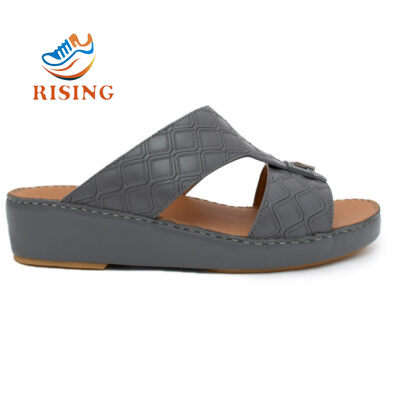
In the ever-evolving world of footwear, innovation remains a key driver of consumer preference and brand differentiation. A new development in footwear design and manufacturing has recently captured significant attention: woven upper technology. This cutting-edge approach combines advanced weaving techniques with high-performance materials to create shoe uppers that offer enhanced flexibility, breathability, durability, and aesthetic appeal. The emergence of woven upper technology marks a transformative step forward for the footwear industry, promising to redefine comfort and style standards across sneakers, sandals, and casual footwear.
For over 30 years, the company behind this innovation has established itself as a leader in the design, manufacture, and sale of various types of footwear, including sneakers, sandals, and casual shoes. With a rich heritage spanning three decades, the company has built a reputation for quality craftsmanship and responsiveness to consumer trends. The introduction of woven upper technology underscores its commitment to innovation and leadership in the competitive footwear market.
### What Is Woven Upper Technology?
Traditional shoe uppers are typically constructed using a variety of materials such as leather, synthetic textiles, and mesh, assembled through stitching, bonding, or other conventional methods. Woven upper technology, however, employs a specialized weaving process that integrates fibers and yarns into a single, seamless upper unit. This method provides several distinct advantages over traditional uppers.
Firstly, the woven structure creates a lightweight and flexible upper that conforms naturally to the shape of the wearer’s foot. This results in an adaptive fit that reduces pressure points and increases overall comfort. Secondly, the open weave pattern enhances breathability, allowing air to circulate freely and keep feet cool and dry even during prolonged wear or intense physical activity.
Additionally, the strength-to-weight ratio of woven materials often surpasses that of standard textile or leather uppers, providing improved durability without adding bulk. The technology also enables designers to experiment with new textures, patterns, and color combinations directly integrated into the fabric, offering consumers unique style options that blend performance with fashion.
### Industry Impact and Consumer Benefits
The adoption of woven upper technology has implications beyond mere aesthetics or comfort enhancements. For the footwear industry, it represents a meaningful shift towards sustainable and efficient manufacturing practices. Since woven uppers can be produced with minimal waste compared to cut-and-sew methods, companies can reduce their environmental footprint. Moreover, the use of advanced synthetic fibers that are recyclable or sourced from renewable materials aligns with growing consumer demand for eco-friendly products.
From a consumer perspective, shoes equipped with woven uppers deliver several tangible benefits. Athletes and casual users alike appreciate the lightweight feel and breathability, which contribute to improved foot health and reduced fatigue. The durability of woven uppers also translates to longer-lasting footwear, providing better value for money.
The improved adaptability of woven uppers is particularly beneficial in casual and everyday footwear segments. As lifestyles become more active and diverse, consumers seek shoes that can seamlessly transition from work to leisure while maintaining comfort and style. Woven uppers accommodate these needs by offering versatile performance characteristics in a visually appealing package.
### Company Legacy and Future Prospects
The 30-year-old company behind this advancement has leveraged its extensive industry experience to successfully integrate woven upper technology into its product lineup. Known for its diverse portfolio encompassing sneakers, sandals, and casual shoes, the company has diligently invested in research and development to harness the full potential of woven materials.
Its deep understanding of consumer preferences and market dynamics has guided the careful rollout of this technology, ensuring the final products meet high standards of quality and performance. Early market feedback indicates strong interest and positive reception, encouraging the company to expand offerings with additional models featuring woven uppers.
Looking forward, the company plans to further refine the weaving process and explore collaborations with material scientists to develop next-generation fibers that enhance sustainability and functionality even further. There is also potential to customize woven uppers using digital knitting techniques and 3D weaving, allowing for bespoke fits and personalized aesthetic details tailored to individual consumer needs.
### Broader Industry Trends and Competitor Response
Woven upper technology fits within a broader trend in the footwear industry toward innovation that harmonizes fashion, comfort, and sustainability. Many manufacturers are increasingly adopting new textiles and manufacturing methods that emphasize lightweight construction, breathability, and ecological responsibility.
Although several brands have experimented with woven materials, the depth of integration and consistent quality demonstrated by this company’s woven upper products sets a new benchmark. Competitors are closely monitoring the market impact and consumer response, with expectations that similar technologies will become mainstream as supply chains and production capabilities evolve.
### Conclusion
The launch and growing adoption of woven upper technology signal a new chapter in footwear design. By combining three decades of industry expertise with a dedication to innovation, the company has positioned itself at the forefront of this exciting development. Consumers stand to benefit from shoes that deliver superior comfort, durability, and style, while the environment gains from more sustainable manufacturing processes.
As the footwear market continues to evolve, woven upper technology exemplifies how tradition and innovation can intersect to meet modern demands. Whether for athletes seeking performance advantages or everyday users desiring adaptable and fashionable shoes, this advancement offers compelling reasons to look forward to the future of footwear.